Reasons That The SMILE Procedure Stays Optimum Choice For The Health Of Your Eyes Eyes
Material Writer-West Hinton
When you are considering laser vision correction to correct your sight, you may have come across the SMILE technique. Abbreviated for its minimally invasive approach, SMILE eye surgery is an innovative and minimally invasive option for those seeking to address shortsightedness. With the progress of innovations in the field of vision science, many people are finding that SMILE offers unique merits that make it different from typical laser eye surgeries like LASIK and Photorefractive Keratectomy.
In this discussion, we will examine what SMILE eye surgery entails, covering how the surgery works, its cost, and the healing time. We'll also talk about the various advantages that make SMILE an appealing choice for many individuals, especially those with myopia. Additionally, we will compare SMILE surgery to other refractive surgery options to assist you make an informed decision about the best choice for your sight.
What is SMILE surgery?
SMILE Eye Surgery, which stands for Small Incision Lenticule Extraction, is a contemporary minimally invasive procedure for laser vision correction. This cutting-edge technique is designed primarily to correct myopia, referred to as myopia. Unlike conventional LASIK, which involves creating a corneal flap, SMILE uses a small incision to extract a lenticule of tissue from within the cornea, reshaping to enhance vision.
The SMILE procedure begins with the use of a femtosecond to create a thin lens or lenticule within the cornea. After the lenticule is formed, a small incision is made to extract it. This method allows for a more stable corneal structure post-surgery, reducing the risks linked to corneal flaps. The complete process is quick, typically taking around 30 minutes for both eyes. The precise laser technology contributes to enhanced accuracy and safeguarding.
One of the key advantages of SMILE Eye Surgery is its suitability for patients who may not be ideal candidates for alternative laser surgeries, such as LASIK surgery. By offering a more gentle alternative, SMILE effectively treats various eye conditions successfully. Patients can experience quick recovery and better vision with little discomfort, making SMILE a popular choice among those seeking corrective eye surgery.
Advantages of SMILE Eye Surgery
Small Incision Lenticule Extraction eye surgery provides multiple advantages that make it an enticing option for those seeking vision correction. One of the key benefits is its minimally invasive nature. Unlike traditional LASIK, which requires creating a flap in the cornea, the Small Incision Lenticule Extraction procedure needs only a tiny cut. This means less disruption to the eye surface, encouraging quicker healing and reducing risk of complications. Numerous patients appreciate this gentler method, which often leads to a more comfortable experience during and after the surgery.
An additional important benefit of Small Incision Lenticule Extraction eye surgery is the maintenance of cornea integrity. By using https://collegian.com/2021/03/category-news-local-mom-creates-aluminum-can-fundraiser-for-addiction-recovery/ , precise cut, Small Incision Lenticule Extraction aids maintain a larger portion of the corneal tissue as in comparison with other vision correction procedures. This can contribute to better long-term corneal health and stability, making it especially appropriate for individuals with thinner corneas. As a consequence, patients can enjoy outstanding vision outcomes with less risk of post-surgical complications.
In addition, the recovery period for Small Incision Lenticule Extraction eye surgery is typically faster than that of alternative laser procedures. Most patients experience substantial improvements in their vision almost immediately, with a majority being able to return to their normal activities within a 24 hours or two. This rapid recovery time, combined with the enduring results and lower side effects, makes SMILE an increasingly popular option for those dealing with nearsightedness or myopia.
Expense and Recovery of SMILE Surgery
Comprehending the expense of SMILE eye surgery is crucial for those evaluating this procedure. The expense for SMILE laser eye surgery can vary significantly based on factors such as the physician's expertise, the technology used, and the location location of the clinic. On norm, patients can expect pay between 2k to three thousand dollars per eye. While this may seem like a substantial investment, many find that the long-term financial benefits on glasses and contact lenses make it a valuable expense.
Post-Operative Recovery from SMILE eye surgery generally involves little downtime, which is one of its major advantages. Patients often see improved vision within a 24 hours or two following the procedure, with most going back to their daily tasks within a week. It is essential to follow post-operative care directions provided by the physician, including avoiding intense activities and using prescribed eye drops to aid recovery.
Though recovery is usually swift, it's advisable to be cognizant of potential issues. Some patients may have dry eyes or visual disturbances for a short time after the surgery. However, these symptoms usually go away within a few weeks. Regular follow-up appointments will help track progress and address any concerns during the healing phase, facilitating a smooth transition to clearer vision.
SMILE vs PRK: An Overview
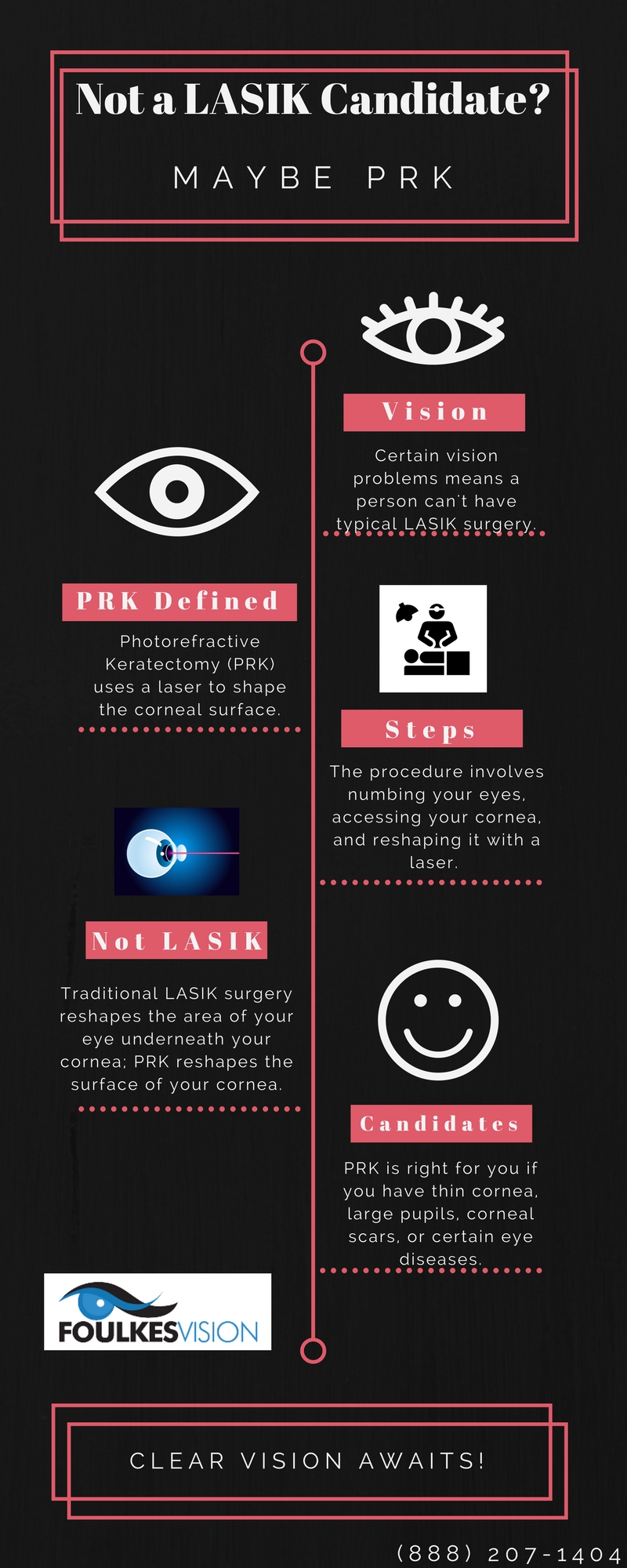
When considering refractive eye surgeries, Small Incision Lenticule Extraction and PRK stand out as preferred options. Small Incision Lenticule Extraction, which stands for Small Incision Lenticule Extraction, is a less invasive procedure that employs a femtosecond laser to extract a small lenticule of tissue from the cornea, reshaping it to improve vision. In contrast, PRK, or PRK, entails the excision of the outer layer of the cornea to reshape the underlying tissue using with an excimer laser. While both procedures target to enhance vision, their techniques and recovery processes vary significantly.
One of the key differences between Small Incision Lenticule Extraction and PRK is the recovery experience. SMILE generally offers quicker recovery times with less discomfort due to the smaller incision and low disruption to the cornea’s surface. Individuals often notice improvements in their vision within a few days. In contrast, PRK can necessitate a longer healing period since the epithelial layer must heal, and individuals may experience more discomfort and variable vision during their healing. This can impact routine tasks, making Small Incision Lenticule Extraction an appealing option for those seeking quicker results.
Pricing is another crucial consideration when comparing SMILE and PRK. While the SMILE surgery price is often more expensive than PRK due to the modern techniques and instruments used, numerous individuals find the advantages warrant the expense. However, some individuals may choose Photorefractive Keratectomy as a more affordable alternative that also provides effective ocular improvement. Evaluating personal needs, finances, and preferences for each option can assist potential candidates make an educated decision about which surgery best suits their vision correction goals.